Quick Answer
Standing seam is a raised rib metal panel system with concealed clips and fasteners. For Edinburgh commercial properties, expect 40 to 60 year service life, installed cost in the $9 to $16 per square foot range, and a 2 to 6 week project timeline depending on building size and tear off scope.
Standing Seam Panel Types
Not every standing seam panel is the same. The seam profile, gauge, and finish all change performance.
Common Profiles
- Snap lock: Panels snap together over concealed clips. Fast install, good for slopes above 3:12.
- Mechanical lock (single or double): Seam is field crimped with a seaming tool. Best for low slope buildings down to 1/2:12.
- Batten or tee panel: Architectural look, often used on visible storefronts and entries.
Gauge and Coating
- 24 gauge steel is the commercial standard. 22 gauge for high wind zones.
- Kynar 500 (PVDF) paint systems carry 30 to 40 year finish warranties.
- Galvalume substrate resists corrosion better than basic galvanized.
- Cool roof rated colors can reduce summer attic temps by 20 to 40 degrees, a real factor for Edinburgh warehouses with conditioned office space below.
- Aluminum panels are available for coastal or high salt environments, though steel covers most Central Indiana commercial work.
Maintenance and Warranty Expectations
A properly installed standing seam roof on a Edinburgh commercial building needs very little annual attention, but skipping basic upkeep voids most warranties.
- Annual visual inspection: Look for loose fasteners on trim, sealant cracking at penetrations, and debris in valleys or behind curbs.
- Gutter and downspout cleaning: Twice yearly in spring and late fall after leaves drop.
- Sealant refresh: Butyl and urethane sealants at flashings have a 15 to 20 year life, shorter than the panel itself.
- Warranty registration: Kynar finish and weathertight warranties require timely paperwork. Edinburgh Metal Roofing handles this as part of project closeout.
Plan for one professional inspection every 3 to 5 years, plus a check after any major hail or wind event. Documented maintenance also protects resale value if the property changes hands during the panel life.
Installed Cost Ranges
What Drives the Price Up
- Steep slopes above 6:12 that require fall protection and additional staging.
- Heavy penetration counts (skylights, exhaust fans, plumbing stacks) that each need custom flashing.
- Long panel runs that require on site roll forming with a portable machine.
- Tear off and disposal of multiple existing layers, especially older built up roofing.
- Snow guards, gutters, and downspouts that often get bundled into the metal scope.
Install Sequence on a Edinburgh Project
Pre-Install
- Free site inspection and measurement, including deck condition probes.
- Slope verification. Snap lock needs at least 3:12. Lower slopes require mechanical seam.
- Coil order placed. Panels are typically roll formed to exact length, eliminating end laps.
- Submittal package with shop drawings, color chips, and fastener specs for owner sign off.
Tear-Off and Deck Prep
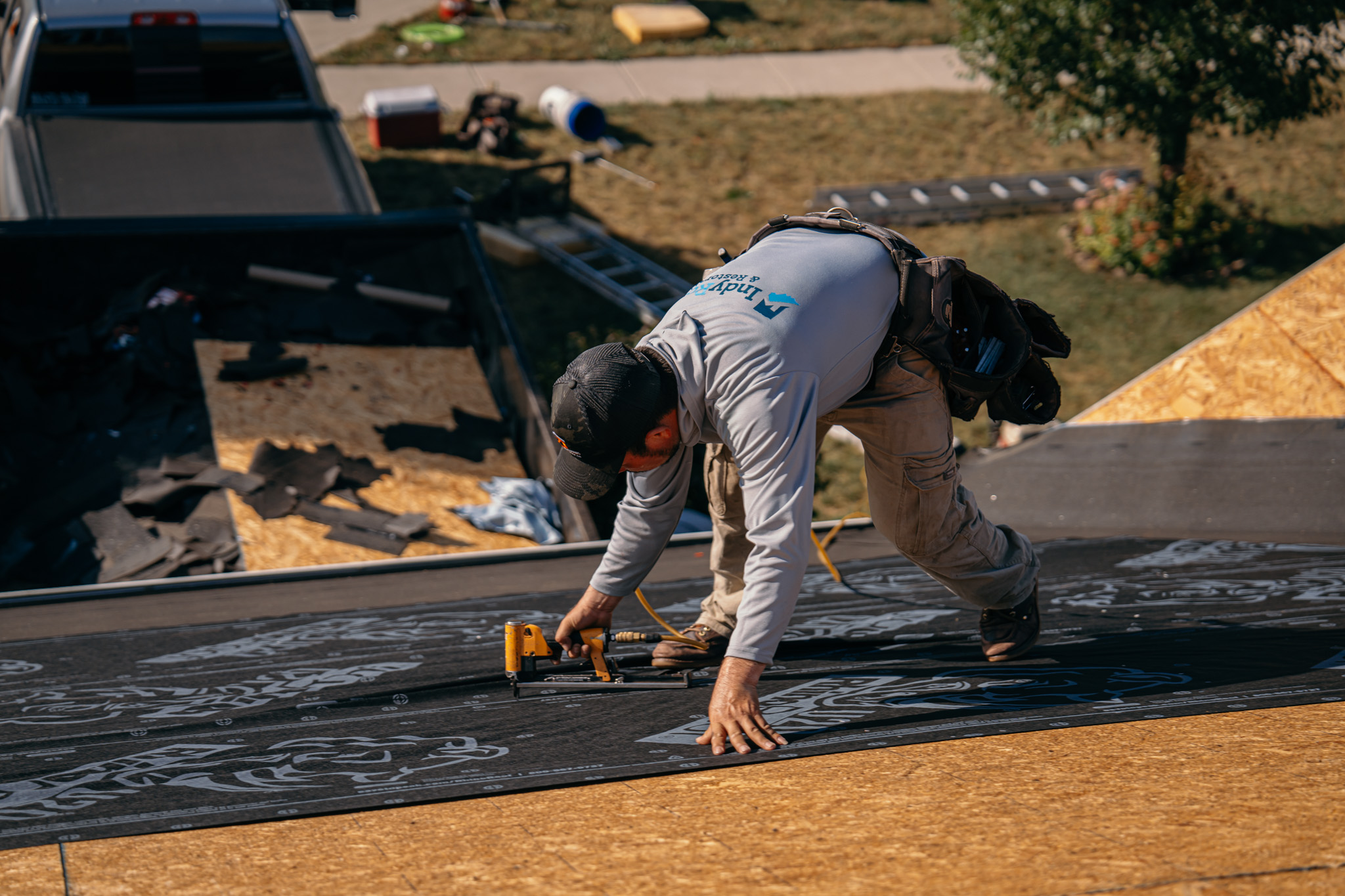
- Remove existing roofing in sections to keep the building dry in.
- Replace rotted decking, re fasten loose sheathing.
- Install high temp underlayment, ice and water shield at eaves and valleys.
- Verify substrate flatness. Wavy decks telegraph through metal panels and look bad from the parking lot.
Panel Install
- Set eave trim, gable trim, and starter clips.
- Lay panels from one end, engaging concealed clips into the seam.
- Field seam mechanical lock panels with a powered seamer in two passes.
- Flash penetrations with prefabricated boots or custom fabricated curbs.
- Install ridge cap, hip caps, and end wall flashings last.
Post-Install
- Magnetic sweep of the parking lot and grounds for stray fasteners and metal shavings.
- Touch up paint on any field cut edges or scratches using factory matched pen kits.
- Final walk with the owner, including a punch list and a binder with warranty docs and color codes.
Decision Criteria for Your Building
Standing seam pays off when these factors line up:
- You plan to own the building 15+ years.
- Roof slope is 1/2:12 or steeper.
- The structure can carry 1.5 to 3 lbs per sq ft of metal load.
- You want low annual maintenance.
- Aesthetics matter (visible storefront, church, civic building).
Standing seam is the wrong call when:
- The roof has dozens of penetrations and rooftop units crowded together.
- You expect to sell the building within 3 to 5 years.
- Budget caps out below $7 per square foot.
If you are still weighing options, our commercial metal roofing install page outlines what Edinburgh Metal Roofing includes in a standard scope.
Common Install Mistakes to Avoid
- Mixing snap lock panels on too low slopes (causes capillary leaks).
- Using exposed fasteners on accessory trims where concealed clips were specified.
- Skipping expansion clips on panels over 30 feet long.
- Poorly flashed curbs around HVAC units, the leading source of metal roof leaks.
- Cutting panels with abrasive blades, which throws hot metal filings that rust and stain the finish.
- Storing coils or panels flat on the ground where moisture wicks between layers and causes white rust before install.
Standing Seam vs Other Commercial Systems
| System | Service Life | Installed Cost | Best Use |
|---|---|---|---|
| Standing Seam Metal | 40 to 60 yrs | $9 to $16 | Sloped roofs, long term ownership |
| TPO Membrane | 20 to 30 yrs | $6 to $10 | Low slope, energy savings |
| EPDM Rubber | 20 to 30 yrs | $5 to $9 | Low slope, simple geometry |
| Roof Coating | 10 to 15 yrs | $2 to $5 | Restoring existing roof |
For a deeper side by side on flat systems, see our breakdown of TPO vs EPDM vs PVC commercial roof systems. If your building has a corrugated metal roof now and you are weighing an upgrade, the standing seam vs corrugated comparison covers the seam and fastener differences in detail.